best crypto exchange

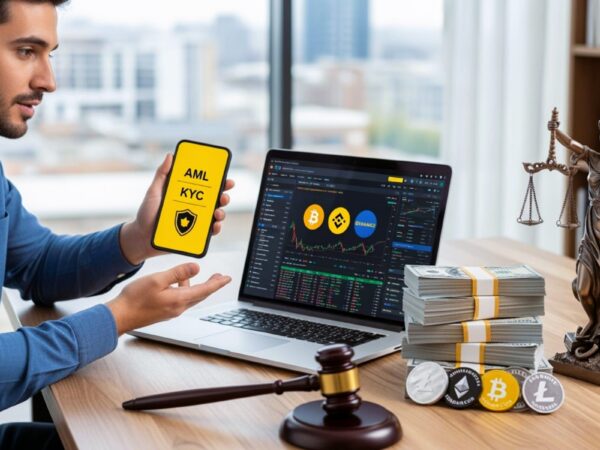
AML/KYC requirements across major crypto exchanges

If you’re choosing a platform to trade on, checking how it handles AML and KYC is just as important as looking at fees or supported coins. The best crypto exchange platforms usually balance compliance with user privacy, offering smooth verification processes without compromising safety. For example, some exchanges allow low-limit trades with basic verification, while others require full ID checks before you can deposit or withdraw. Knowing what level of verification suits your needs can save you time — and help you stay on the right side of the law.

How to audit a smart contract before swapping

How to audit a smart contract before swapping

Ever thought about swapping tokens on decentralized exchanges and wondered, “Is this safe?” The world of blockchain is exciting but also filled with risks, especially if you blindly trust smart contracts without a proper audit. Auditing a smart contract before swapping tokens is like checking the locks on a new house before moving in — it ensures your assets are secure. In this article, we’ll walk through how to audit a smart contract before swapping, breaking down the complex tech into simple steps. Whether you’re a beginner or just want to beef up your security game, this guide is for you. What Is a Smart Contract Audit? Before you jump into swapping tokens or interacting with decentralized applications, it’s crucial….

Cross-chain swaps: Bridging vs. wrapped assets

Cross-chain swaps: Bridging vs. wrapped assets

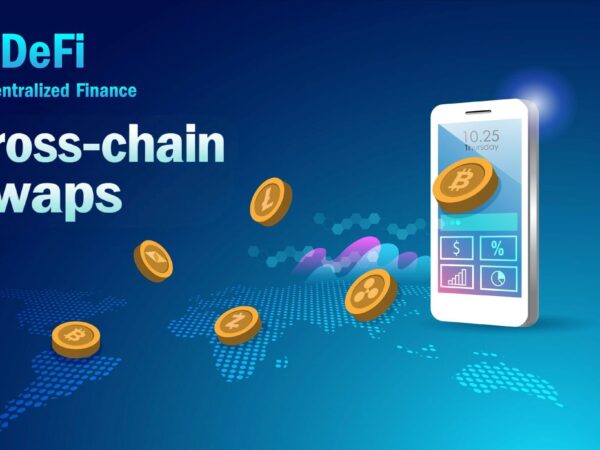
Have you ever wondered how cryptocurrencies from different blockchains talk to each other? It’s like trying to get two people who speak totally different languages to have a meaningful conversation. That’s exactly the problem cross-chain swaps solve in the crypto world. Today, we’ll dive deep into two popular methods: Bridging and Wrapped Assets. By the end of this article, you’ll know exactly how these methods work, their pros and cons, and why they matter in the world of decentralized finance (DeFi). What Are Cross-Chain Swaps? Before diving deeper, it’s important to understand what cross-chain swaps actually mean. In simple terms, cross-chain swaps allow users to exchange cryptocurrencies or digital assets that exist on entirely different blockchain networks. For example, imagine….

Impermanent loss: How it affects liquidity providers

Impermanent loss: How it affects liquidity providers

If you’re diving into the world of decentralized finance (DeFi), chances are you’ve stumbled upon the term impermanent loss. Sounds scary, right? But don’t worry, it’s not as complicated as it sounds. Impermanent loss happens when you provide liquidity to a decentralized exchange (DEX) or an automated market maker (AMM) and the price of the tokens you supplied changes compared to when you deposited them. The loss is “impermanent” because it’s temporary — if prices return to their original state, the loss disappears. However, if you withdraw your liquidity when prices have changed, the loss becomes permanent. Imagine you put money into a joint investment with a friend, and the value of what you hold changes relative to each other…..

DeFi, Liquidity & Smart Contract Insights

DeFi, Liquidity & Smart Contract Insights

If you’ve been anywhere near the crypto world lately, you’ve probably heard the term DeFi thrown around like it’s the next big thing. But what exactly is DeFi? Simply put, Decentralized Finance (DeFi) is a financial ecosystem built on blockchain technology that operates without traditional intermediaries like banks or brokers. Instead, it uses smart contracts to automate and enforce agreements. Sounds futuristic, right? Well, it is — and it’s already shaking up the way we think about money, lending, and investing. What is DeFi? Breaking It Down DeFi, short for Decentralized Finance, is quickly becoming one of the most talked-about innovations in the financial world. At its core, DeFi represents a shift away from traditional finance, which depends heavily on….

Why some tokens are delisted due to regulatory pressure

Why some tokens are delisted due to regulatory pressure

The cryptocurrency market is like a wild jungle — full of exciting opportunities but also lurking dangers. One of those dangers, for investors and traders alike, comes in the form of tokens being delisted from exchanges. Ever wondered why your favorite token suddenly disappears from a major exchange? Often, regulatory pressure plays a massive role in this. Let’s break down why some tokens are delisted due to regulatory pressure, what that means for you, and how this dance between innovation and regulation shapes the crypto landscape. Understanding Token Delisting in the Crypto Space Token delisting in the cryptocurrency space refers to the removal of a digital asset from a trading platform or exchange. While this action might seem simple on….

How crypto exchanges handle frozen assets or investigations

How crypto exchanges handle frozen assets or investigations

Crypto exchanges are bustling marketplaces where digital assets are traded every second. But sometimes, things get sticky — assets get frozen, investigations kick in, and users start wondering, “What’s going on with my funds?” If you’ve ever asked yourself how crypto exchanges handle frozen assets or investigations, you’re in the right place. Let’s dive into the nitty-gritty. What Does It Mean When Assets Are Frozen? When assets are frozen on a crypto exchange, it means that certain cryptocurrencies or entire user accounts are temporarily locked, restricting any activity such as withdrawals, trades, or transfers. Imagine this as placing a “Do Not Disturb” sign on your digital wallet — your funds are still there, but you can’t move them until the….

Legal risks of using no-KYC swap platforms

Legal risks of using no-KYC swap platforms

Hey there! If you’ve dipped your toes into the crypto world, you’ve probably heard about no-KYC swap platforms. These platforms let you swap cryptocurrencies without going through the tedious “Know Your Customer” (KYC) process. Sounds awesome, right? Quick, anonymous, and hassle-free trading! But hold on — is it all sunshine and rainbows? What about the legal side of things? Let’s take a deep dive into the legal risks of using no-KYC swap platforms, break down what you need to know, and why caution is the name of the game here. What Are No-KYC Swap Platforms? No-KYC swap platforms are digital services that let users exchange cryptocurrencies without requiring any form of identity verification. Unlike most traditional crypto exchanges, where you….

Is swapping crypto taxable? What you need to know

Is swapping crypto taxable? What you need to know

Cryptocurrency isn’t just digital money anymore—it’s a full-blown financial ecosystem. But here’s the kicker: just like any other financial move, swapping crypto can have real tax consequences. Whether you’re trading Bitcoin for Ethereum, swapping altcoins on a DEX, or staking and earning tokens, the taxman wants a piece of the action. Let’s break this down step-by-step in plain English. We’ll go deep (but not too technical) so you’ll walk away knowing exactly how swapping crypto affects your taxes, what to do about it, and how to stay out of hot water with the IRS or your local tax authority. What Is a Crypto Swap? Before diving into the tax details, it’s important to understand exactly what a crypto swap means…..

How regulated are centralised crypto exchanges?

How regulated are centralised crypto exchanges?

Centralised crypto exchanges (CEXs) are like the Wall Streets of the crypto world. They handle massive amounts of digital assets, serve millions of users, and act as the middlemen between buyers and sellers. But here’s the million-dollar question—just how regulated are they? Spoiler: it depends on where you look. While some operate like tightly run banks, others barely follow any rules. So, buckle in—we’re diving deep into the wild world of crypto regulations, where governments, compliance teams, and blockchain tech collide. Why Crypto Regulation Even Matters You might assume that cryptocurrency is all about decentralization and escaping government control. While that’s true for many aspects of crypto, centralized exchanges operate quite differently. These platforms hold your funds, manage your trades,….